

Rose damascena as a sacred ancient herb with innovative applications

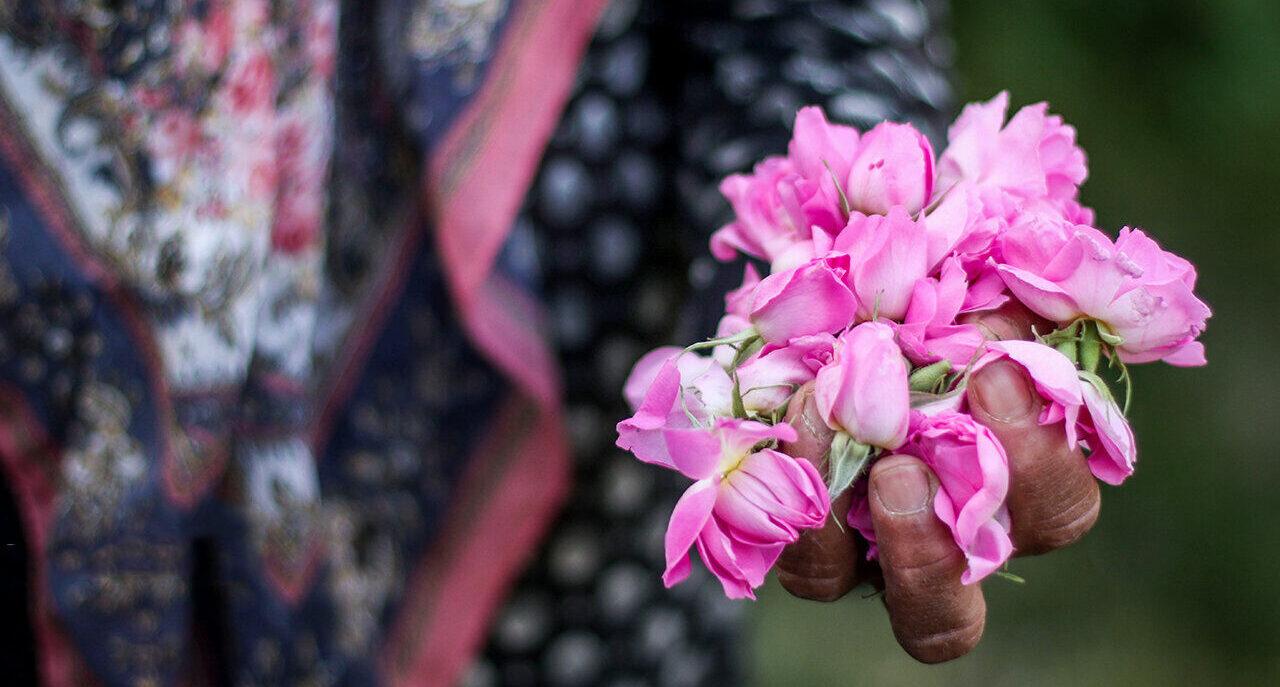
Iranian researcher Mahboubi (Mahboubi, 2016) dedicates his scientific study “Rosa damascena as holy ancient herb with novel applications” to one of the most valuable gifts of nature – the damask rose. In his work, he considers the rose not only as a symbol of beauty and aroma, but also as a medicinal herb that has a thousand-year history and promising new applications in modern science and medicine.
The author begins with the origin of the plant. Rosa damascena is a hybrid species, distributed mainly in Iran and Bulgaria, where climatic conditions allow its cultivation on a large scale. This rose is known for its essential oil, which contains molecules such as citronellol and geraniol – substances responsible for both the unique aroma and a number of biological effects. In addition to essential oil, the petals also contain flavonoids and phenolic acids – compounds with proven antioxidant and anti-inflammatory potential.
In Iranian folk medicine, the rose has been used for centuries to treat stomach aches, digestive problems, menstrual discomfort, and even heart complaints. Mahboubi gathers data that shows that these traditional uses are not without scientific justification. At the same time, he also suggests modern applications – the rose could find a place as an ingredient in cosmetic formulas for skin and hair, in dietary supplements and functional foods with antioxidant benefits, as well as in natural products to promote calm and better sleep. This transition from traditional use to modern products shows the plant’s potential to meet current needs for a healthier lifestyle.
Mahboubi also draws attention to scientific terms that can seem complicated to the general public. An extract, for example, is a concentrate of active substances extracted using water or alcohol, while an essential oil is a volatile aromatic liquid obtained through distillation. Antioxidants are described as a kind of “shield” for cells against destructive free radicals, and the anti-inflammatory effect is a way for the body to find balance in excessive immune system reactions.
Despite the many promising data, the author emphasizes that a significant part of the evidence comes from in vitro studies (in laboratory conditions) or from animal models. This means that not all results can be directly transferred to humans. In order for damask rose to become a reliable medical ally, larger-scale and well-controlled clinical trials are needed.
In conclusion, the study presents the rose not only as a cultural and spiritual symbol, but also as an herb with real potential in modern medicine and a healthy lifestyle.
Bulgaria occupies a special place here. Bulgarian damask rose, grown in the Rose Valley, is known worldwide for its high concentration of essential oil and unique aromatic profile. This gives it a competitive advantage in the global market – both in perfumery and in the development of functional foods and natural medical products. In the future, it is the combination of a thousand-year-old tradition and scientifically based applications that can turn the Bulgarian damask rose into a symbol of quality and health on an international level.
Source: Mahboubi, M. Rosa damascena as holy ancient herb with novel applications. Journal of Traditional and Complementary Medicine. 2016; 6(1): 10-16. PMC4737971. (pmc.ncbi.nlm.nih.gov)
